
Healthier Home Buyer Guide

The Air You Breathe
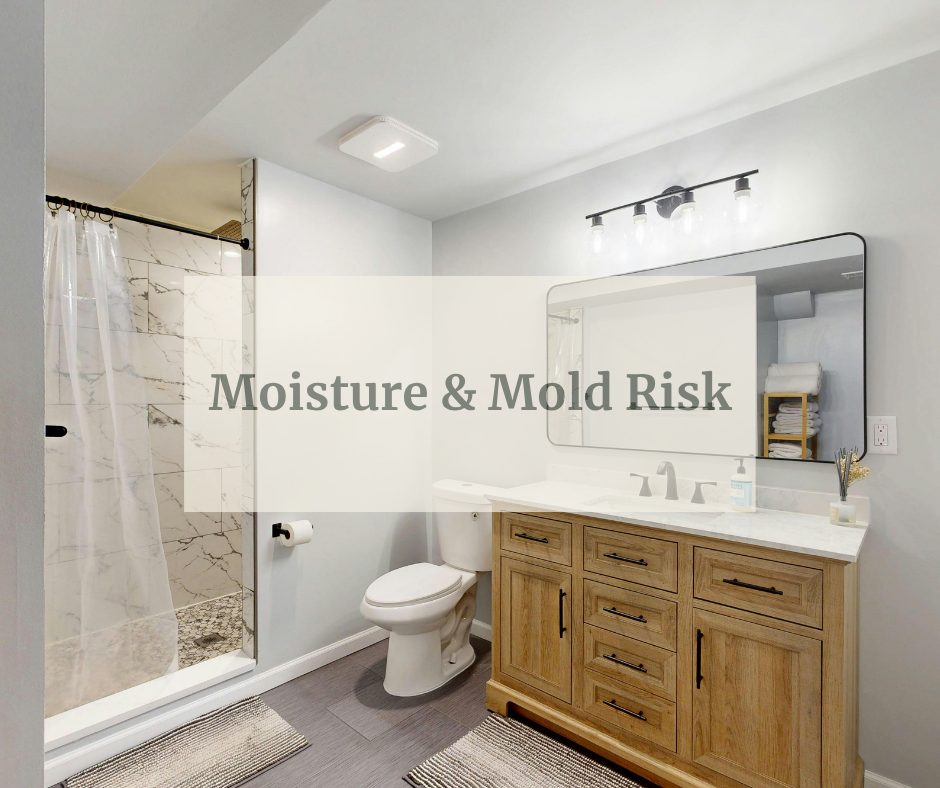
Monitor the Moisture!
Moisture issues can lead to mold growth, even when it’s not immediately visible. Pay attention to musty smells, water stains, or areas with poor airflow like basements, bathrooms, and around windows.

No Dasani here
The water in a home affects everything from drinking and cooking to bathing and skin health. Consider whether filtration systems are in place or can easily be added.

Goodbye Polyester
Certain materials, paints, and finishes can release chemicals over time that impact indoor air quality. Look for low-VOC options, natural materials, and spaces that feel clean rather than chemically heavy.

Sunny & 70
Natural light plays a key role in mood, energy levels, and overall well-being. Homes with good light, open flow, and a calm feel tend to support a healthier lifestyle.

The Great Outdoors
What’s outside the home matters just as much as what’s inside. Consider proximity to traffic, noise, green space, and overall environmental quality.

Let the House Breathe
Kitchens, bathrooms, and laundry areas need proper ventilation to reduce moisture and pollutants. Functional exhaust fans and airflow can make a big difference in long-term air quality.

Not a Chemical Romance
Where and how household products are stored can impact your indoor environment. Look for organized, well-ventilated storage areas that keep chemicals contained and away from living spaces.
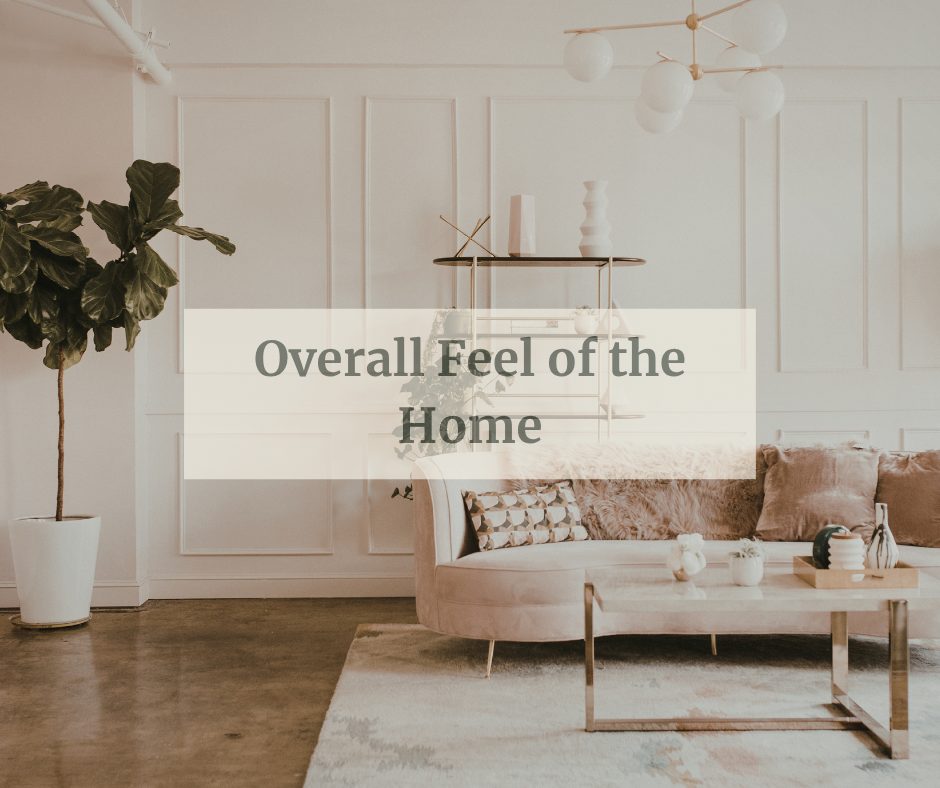
Not a Place, but a Feeling
Sometimes your body picks up on things before your mind does. Pay attention to how the home smells, feels, and how you respond to the space when you walk in.

Indoor air can be more polluted than outdoor air, especially in tightly sealed homes. Look for proper ventilation, newer HVAC systems, and the ability to upgrade filtration to improve the air you breathe daily.